Have you been in search of facts about The Inner Workings of Your Home's Plumbing?
Recognizing just how your home's pipes system functions is crucial for each home owner. From supplying tidy water for alcohol consumption, cooking, and bathing to safely removing wastewater, a well-kept plumbing system is crucial for your family's health and comfort. In this thorough overview, we'll explore the elaborate network that comprises your home's pipes and deal tips on maintenance, upgrades, and managing usual concerns.
Introduction
Your home's plumbing system is more than simply a network of pipelines; it's an intricate system that guarantees you have access to clean water and effective wastewater removal. Understanding its parts and just how they work together can help you prevent costly repair work and guarantee whatever runs smoothly.
Fundamental Elements of a Plumbing System
Pipes and Tubing
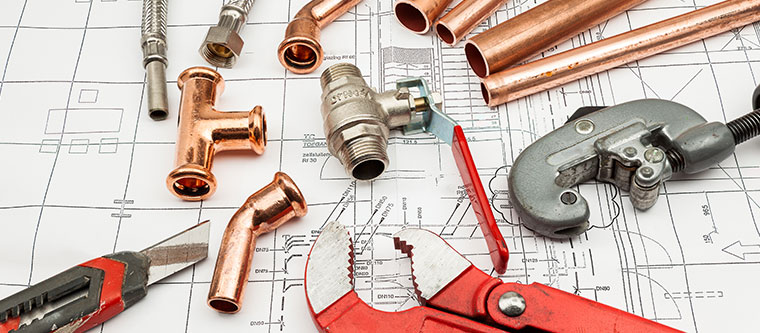
At the heart of your plumbing system are the pipelines and tubes that lug water throughout your home. These can be constructed from numerous products such as copper, PVC, or PEX, each with its benefits in regards to toughness and cost-effectiveness.
Fixtures: Sinks, Toilets, Showers, etc.
Fixtures like sinks, toilets, showers, and bathtubs are where water is made use of in your home. Understanding just how these components link to the plumbing system aids in detecting issues and preparing upgrades.
Valves and Shut-off Factors
Shutoffs control the flow of water in your pipes system. Shut-off valves are essential throughout emergency situations or when you need to make repairs, permitting you to separate parts of the system without disrupting water circulation to the whole house.
Water System
Key Water Line
The primary water line connects your home to the metropolitan water system or a private well. It's where water enters your home and is dispersed to different fixtures.
Water Meter and Pressure Regulatory Authority
The water meter procedures your water usage, while a stress regulator makes certain that water streams at a safe stress throughout your home's plumbing system, protecting against damage to pipelines and fixtures.
Cold Water vs. Hot Water Lines
Comprehending the distinction in between cold water lines, which provide water directly from the major, and hot water lines, which lug heated water from the hot water heater, assists in repairing and planning for upgrades.
Drainage System
Drain Pipes and Traps
Drain pipelines lug wastewater away from sinks, showers, and commodes to the drain or septic system. Traps protect against drain gases from entering your home and additionally trap particles that could trigger clogs.
Ventilation Pipelines
Ventilation pipelines allow air into the water drainage system, avoiding suction that can slow drain and create traps to vacant. Proper ventilation is crucial for maintaining the honesty of your pipes system.
Significance of Correct Water Drainage
Ensuring proper drain stops back-ups and water damages. Regularly cleaning up drains pipes and maintaining traps can protect against costly repair work and prolong the life of your pipes system.
Water Heating System
Types of Water Heaters
Hot water heater can be tankless or conventional tank-style. Tankless heating units warm water as needed, while tanks save heated water for prompt use.
How Water Heaters Link to the Pipes System
Recognizing how water heaters link to both the cold water supply and warm water circulation lines aids in diagnosing problems like inadequate warm water or leakages.
Upkeep Tips for Water Heaters
Regularly flushing your water heater to remove sediment, checking the temperature level settings, and checking for leakages can extend its life expectancy and boost power efficiency.
Typical Pipes Issues
Leaks and Their Reasons
Leakages can occur due to maturing pipelines, loosened fittings, or high water pressure. Attending to leakages promptly avoids water damage and mold and mildew development.
Clogs and Blockages
Blockages in drains pipes and commodes are often caused by flushing non-flushable products or a build-up of oil and hair. Using drain screens and being mindful of what decreases your drains pipes can protect against obstructions.
Signs of Plumbing Problems to Look For
Low water pressure, slow drains pipes, foul odors, or uncommonly high water bills are signs of possible plumbing problems that must be dealt with quickly.
Pipes Upkeep Tips
Routine Inspections and Checks
Set up yearly plumbing assessments to capture problems early. Search for signs of leakages, deterioration, or mineral accumulation in faucets and showerheads.
DIY Upkeep Tasks
Simple jobs like cleansing faucet aerators, checking for commode leakages utilizing dye tablets, or shielding exposed pipelines in cold environments can avoid significant plumbing concerns.
When to Call a Professional Plumber
Know when a pipes problem requires specialist know-how. Attempting complex fixings without appropriate knowledge can bring about more damage and greater repair work prices.
Upgrading Your Plumbing System
Factors for Upgrading
Updating to water-efficient fixtures or replacing old pipelines can improve water high quality, reduce water expenses, and raise the value of your home.
Modern Pipes Technologies and Their Benefits
Discover innovations like smart leakage detectors, water-saving toilets, and energy-efficient hot water heater that can save cash and decrease ecological impact.
Price Considerations and ROI
Compute the in advance prices versus long-lasting financial savings when thinking about pipes upgrades. Many upgrades spend for themselves through minimized utility expenses and less repair work.
Ecological Impact and Preservation
Water-Saving Fixtures and Home Appliances
Mounting low-flow faucets, showerheads, and commodes can considerably decrease water use without sacrificing efficiency.
Tips for Reducing Water Usage
Straightforward behaviors like repairing leaks without delay, taking shorter showers, and running full lots of laundry and meals can preserve water and lower your utility expenses.
Eco-Friendly Pipes Options
Consider lasting pipes materials like bamboo for flooring, which is durable and green, or recycled glass for kitchen counters.
Emergency situation Preparedness
Steps to Take Throughout a Pipes Emergency
Know where your shut-off valves lie and just how to turn off the supply of water in case of a burst pipe or major leakage.
Relevance of Having Emergency Situation Contacts Useful
Maintain call details for local plumbings or emergency situation solutions conveniently available for quick reaction throughout a pipes situation.
Do It Yourself Emergency Situation Fixes (When Suitable).
Momentary repairs like utilizing duct tape to patch a dripping pipeline or positioning a pail under a dripping faucet can minimize damage up until an expert plumbing technician shows up.
Final thought.
Comprehending the composition of your home's pipes system equips you to keep it successfully, conserving money and time on fixings. By adhering to normal upkeep regimens and remaining educated concerning modern-day plumbing technologies, you can ensure your pipes system operates efficiently for years ahead.
HOW YOUR PLUMBING SYSTEM WORKS
Which Pipes Do What?
Blue lines = fresh water supply entering the building
Red lines = hot water supply entering the building
Grey lines = pipes carrying waste away from the building and venting pipes carrying gases away from the building (through the roof)
YOUR MAIN PLUMBING SYSTEMS
There are two main plumbing systems that support your home s basic plumbing needs one that brings clean water into your home, and one that sends dirty water away from your home. Connected to the toilet, bath, shower, and other faucets in your home, these two systems keep your water flowing in the right directions.
ACCESSING FRESH WATER
Fresh and clean water is brought into your home through the main water supply line . Filtered through one pipe, this water is pressured to flow into the various fixtures in your home at any given time.
This water can be sourced from a well located on your property, a pond or river (mostly cottages), or, as in most cases, from the city s municipal water treatment centre. However, it is important to note that water that is untreated, such as the water siphoned from ponds or rivers, may not be safe to drink. Personal water supplies always need to be treated for hardness and contaminants before consumed.
MUNICIPAL WATER SUPPLIES
Improve taste and odour
Remove sediment
Eliminate hardness
Reduce chlorine
COLD WATER SUPPLY VS. HOT WATER SUPPLY
Cold water flows into your home or building through the service line, which then distributes hot or cold water to your fixtures. This line is most commonly run through a central column that runs floor to floor. Hot water runs in short and straight pipes as the longer the pipeline, the more heat that will be lost in the transfer. Having shorter pipes also allows residents to access hot water more quickly.
WASTE WATER SYSTEM
Your wastewater system is divided into two parts pipes that send wastewater away from your home and venting pipes that send sewer gas away from your home. Sewage water travels through pipes that flush the water and waste towards local sewers that are operated and managed by your city or town. Most sewer systems rely on gravity to move the wastewater to where it needs to go.
The further away from your toilet or sink, the larger wastewater pipes become. This allows for waste to be disposed of from various parts of your home or business at once without pipe blockages. The angle and flow of these pipes are also essential for keeping your waste pipes clear of build up.
https://harrisplumbing.ca/how-your-home-plumbing-system-works/
HOW YOUR PLUMBING SYSTEM WORKS
Which Pipes Do What?
YOUR MAIN PLUMBING SYSTEMS
There are two main plumbing systems that support your home s basic plumbing needs one that brings clean water into your home, and one that sends dirty water away from your home. Connected to the toilet, bath, shower, and other faucets in your home, these two systems keep your water flowing in the right directions.
ACCESSING FRESH WATER
Fresh and clean water is brought into your home through the main water supply line . Filtered through one pipe, this water is pressured to flow into the various fixtures in your home at any given time.
This water can be sourced from a well located on your property, a pond or river (mostly cottages), or, as in most cases, from the city s municipal water treatment centre. However, it is important to note that water that is untreated, such as the water siphoned from ponds or rivers, may not be safe to drink. Personal water supplies always need to be treated for hardness and contaminants before consumed.
MUNICIPAL WATER SUPPLIES
COLD WATER SUPPLY VS. HOT WATER SUPPLY
Cold water flows into your home or building through the service line, which then distributes hot or cold water to your fixtures. This line is most commonly run through a central column that runs floor to floor. Hot water runs in short and straight pipes as the longer the pipeline, the more heat that will be lost in the transfer. Having shorter pipes also allows residents to access hot water more quickly.
WASTE WATER SYSTEM
Your wastewater system is divided into two parts pipes that send wastewater away from your home and venting pipes that send sewer gas away from your home. Sewage water travels through pipes that flush the water and waste towards local sewers that are operated and managed by your city or town. Most sewer systems rely on gravity to move the wastewater to where it needs to go.
The further away from your toilet or sink, the larger wastewater pipes become. This allows for waste to be disposed of from various parts of your home or business at once without pipe blockages. The angle and flow of these pipes are also essential for keeping your waste pipes clear of build up.
https://harrisplumbing.ca/how-your-home-plumbing-system-works/
Hopefully you enjoyed our post about The Inner Workings of Your Home's Plumbing. Thanks a lot for taking time to browse our piece of content. So long as you liked our page please make sure you remember to pass it around. I value your readership.
Make An Appointment